




| |
THE HOT AGE OF CALLIGRAPHY AND PAINTINGS
-1945〜1969-
Organizer and the Site:
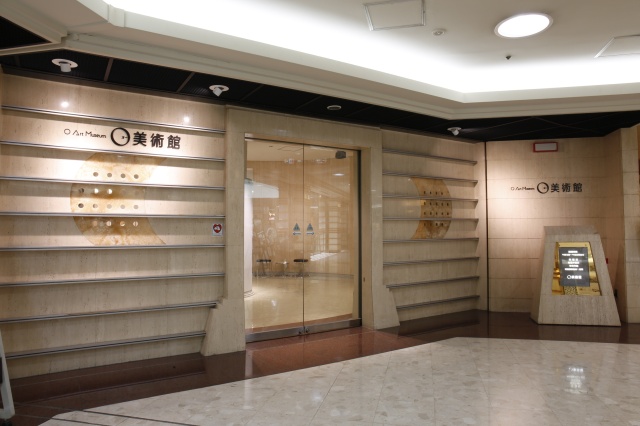
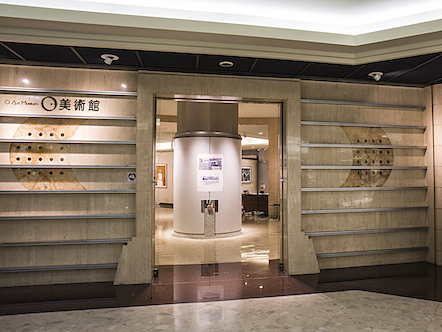
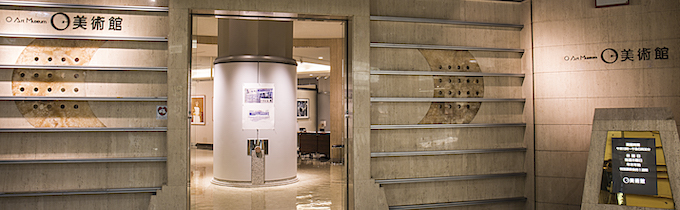
O Art Museum, Juridical Foundation Shinagawa Cultural Promotion Association,
Term:
Saturday, January 25?Wednesday, February 26, 1992
First period: Saturday, January 25-Wednesday, February 12, 1992
Second period: Friday, February 14-Wednesday, February 26, 1992
Colloquy:
At Ohsaki New City
3:30 - 5:30 p.m., Saturday, February 15
Ichiro Hariu (art critic) and Noriaki Kitazawa (art critic)
The moderator: Kazuo Amano
After the defeat in the War, the calligraphy, as well
as the other traditional Japanese art, such as Japanese-style painting
or Haiku poetry, was urged to make a drastic change inheriting the pre-war
fermentation of avant-garde art. That should be called the second chance
for the introspection since the first one in the Meiji Period in which
the artistic quality of calligraphy was severely re-examined. In the
second movement, some artists reconsidered the essence of calligraphy
through their works, sometimes breaking away from its specific function
to write characters. The movement can be regarded, in a way, as a response
to the trend of the western art of the time, for example, “Informel”
paintings. But some calligraphers found similarity in the new art movement
that had strong brushstrokes which coincidentally had much in common
with that of calligraphy and learned much from the new trend. All the
while, the western artists were eager to learn the element of performance
and the freedom of lines in the oriental calligraphy.
Until the nineteen-sixties, calligraphy attracted wide
attention in the art world of both the Occident and the Orient. This
fact also means that there was a very active exchange not only in calligraphy
but in the other fields as well, beyond the genres of western or Japanese-style
painting. The ideas and the opinions of calligraphers, who handles the
calligraphy, signs and an organic matter at the same time, were different
in many ways. Some approached to the picturesque and purely sought after
the beauty of lines and the space, and others added the element of spirituality
to it, thinking that the calligraphy is still the act of writing letters.
In the dilemma of the writing and the painting, the artists have been
gradually finding the uniqueness of the calligraphy. However, the effort
to re-consider what the calligraphy is in such innately conventional
soil gradually lost its energy and, losing the tie with the painting,
returned to its closed tradition. The trend in the nineteen-forties
to the sixties of the calligraphy and the painting, a very unique page
in the history of the modern Japanese art, has been ignored up till
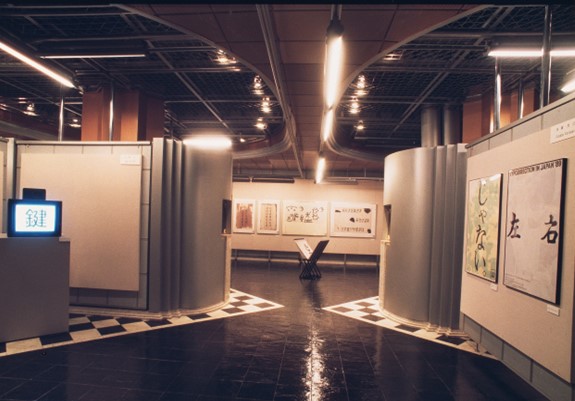
today. In this exhibition, more than one hundred and twenty typical
works of the calligraphic movement centered to the above period, like
the calligraphic painting (BOKUSHO), along with the painting works from
both Japan and abroad. It is the first trial to review the creation
balanced between the painting and the calligraphy and to re-examine
its meaning and to try to view the modern history of Japan and the future
of the calligraphy.
|
|